
1. What kind of place is Volcano?
Volcano doesn’t arrange itself around a main street or a square. Houses, gardens, studios and small farms sit scattered through the rain forest, connected by narrow lanes that curve beneath the trees.
From the road, tree ferns can hide whole homes, and on a misty afternoon the village can seem almost empty. It isn’t; people live and work among these trees, so the quiet has a residential feel, not the hush of a place waiting for visitors.
The national park is close by, and the village makes a natural base for the summit. But Volcano has its own character too: forest at the roadside, weather that rolls in and out, and daily life set alongside an active volcano.
2. Why does the weather feel so close?
Volcano sits high on the island, at about 3,600 to 4,000 feet, where the air stays cool throughout the year. Moist trade winds rise up the slopes from the ocean, and clouds often settle over the village as fog or fine rain.
A day can begin in mist, open up for a while, then close over again by afternoon. Annual rainfall is high, which you can read in the moss on tree trunks, ferns along the banks and puddles that linger on the lanes.
Night brings another change: it can be surprisingly cold here for the tropics. Wood stoves and fireplaces are common in local homes, and sometimes the smell of wood smoke drifts through the trees. A fleece and long pants make sense even when the next day’s plan involves the beach; there’s more about rain, cold nights and what to pack in the weather notes.
3. Which tree gives the village its shape?
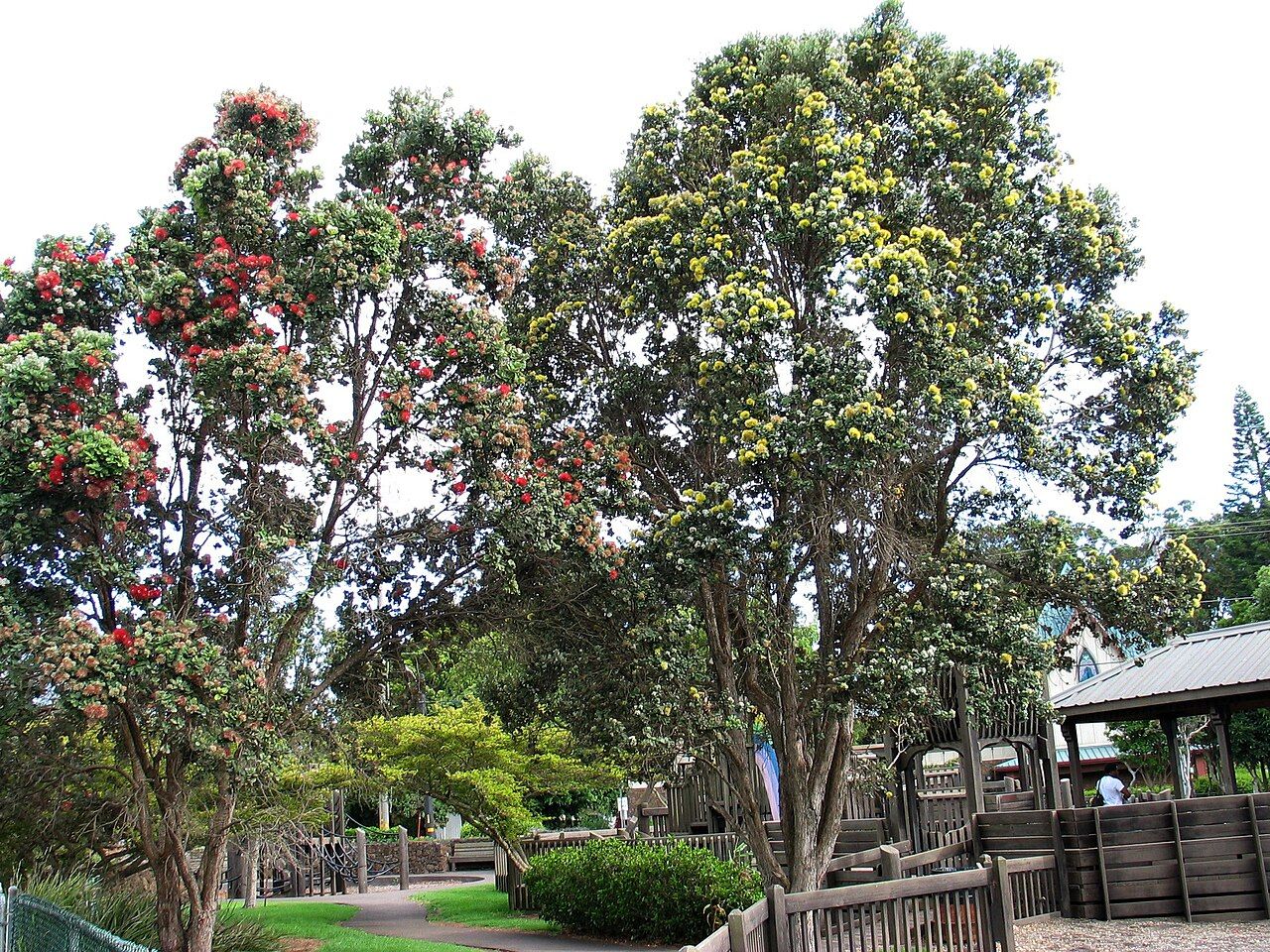
The ʻōhiʻa lehua is the tree that most defines this forest. It’s native to Hawaiʻi, and its crimson lehua flowers are made of bright stamens rather than petals; native birds come to feed on their nectar.
Red is the color most often seen, though some trees flower in yellow, orange or pink. Ōhiʻa can take root on new lava, growing as a twisted shrub on bare rock or rising into a tall canopy where the soil is deep. Around Volcano, that canopy stands over hāpuʻu tree ferns.
There’s more to the tree than its shape and color. Ōhiʻa appears in Hawaiian chants and stories and is linked with Pele and the volcano, a connection worth holding in mind while moving through the forest.
Read next: Reading Kīlauea with care
4. What is happening in the forest?
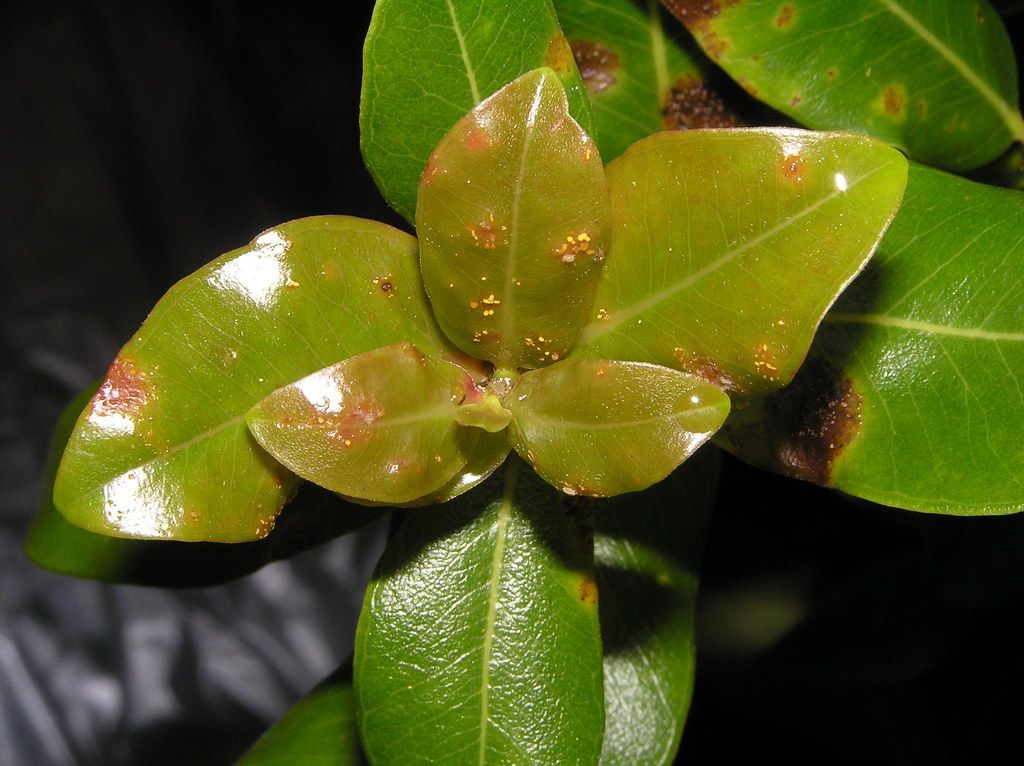
The forest has real pressures, including rapid ʻōhiʻa death, a fungal disease that’s killed large numbers of trees on the island. Other diseases affect young plants too, so nurseries and gardeners around Volcano watch closely for signs of trouble.
Visitors can help keep plant material from traveling: clean mud and plant matter off shoes and gear before and after walks, don’t move ʻōhiʻa wood or flowers from place to place, and avoid damaging trees. The story on ʻōhiʻa, ferns and forest birds has more on the disease and the native birds that depend on this forest.
5. How should a visitor move through the village?
Volcano sits just east of the national park, off Highway 11, the main road between Hilo and Kaʻū. The village spreads along quiet loop roads and narrow lanes, some with names but few signs, so there isn’t a single center to aim for.
Driving or walking slowly through the forest is part of the pleasure, though the lanes call for care. They’re narrow, often without verges, and some are unlit; watch for people walking and for nēnē, and park only where it’s clearly allowed.
Most land is private, and gardens or forest plots aren’t public paths, however inviting they look from the road. Drive slowly, stay on public roads and greet people you pass. A wave goes a long way in a place that’s home first.
6. What brings neighbors together on Sunday?
On Sunday mornings, a farmers market gathers people at the community center. Stalls offer local vegetables, fruit, flowers, plants, baked goods and crafts, while neighbors stop to talk as much as they come to shop.
It’s small and friendly, very much a local event rather than a show put on for visitors. Going early means a better choice; bring small bills and a bag, and leave room for a patient wait in line. Island-grown fruit is part of the appeal, as is seeing what thrives in this cool, wet climate.
7. How does Kīlauea enter everyday life?
Life in Volcano runs to Kīlauea’s rhythm. Residents follow the observatory’s updates much as other people follow the weather, and an eruption at the summit can bring glowing skies at night, haze, earthquakes and sudden crowds on the road to the park.
When the wind turns, volcanic haze, or vog, can settle over the area. Air quality matters especially for people with breathing or heart problems; the notes on vog and safety explain what to watch for.
The summit caldera is only a short drive away, but living close to it doesn’t make the volcano scenery. It remains part of the place’s weather, roads and routines, sometimes quiet and sometimes impossible to ignore.
8. What makes a stay here feel different?
Staying in or near the village puts the summit caldera close at the hours when the park can feel different: early morning, before crowds build, and after dark, when any lava glow is strongest.
Back in the village, the rhythm is cooler and quieter: mist gathering among the trees, cold nights, birdsong and the smell of wet forest. Volcano isn’t a tidy little center with everything arranged along one street; its appeal is the scattered life under the canopy, close to a very active volcano.
What belongs in the plan?
- Location: just east of the park on Highway 11.
- Elevation: about 3,600 to 4,000 feet.
- From Hilo: about forty-five minutes by car.
- Season: year round, drier in summer.
- Bring: a rain jacket, fleece, umbrella and walking shoes.
- Sunday mornings: the farmers market meets at the community center.
My favorite thing about Volcano is the way the forest comes right up to the quiet lanes.